Bumble Bee's

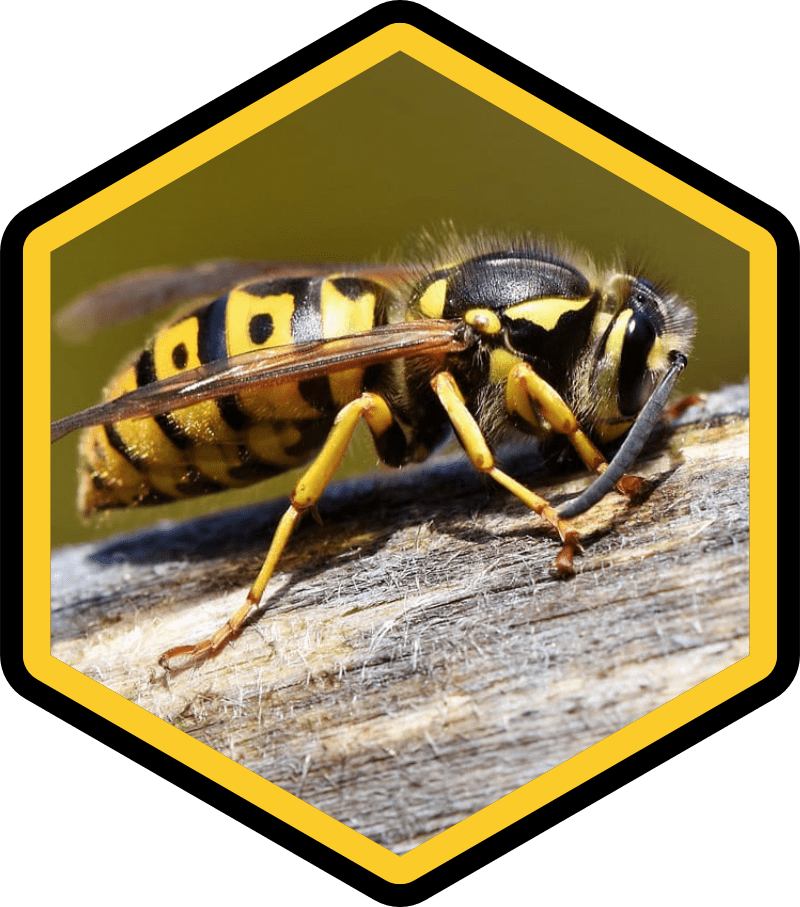
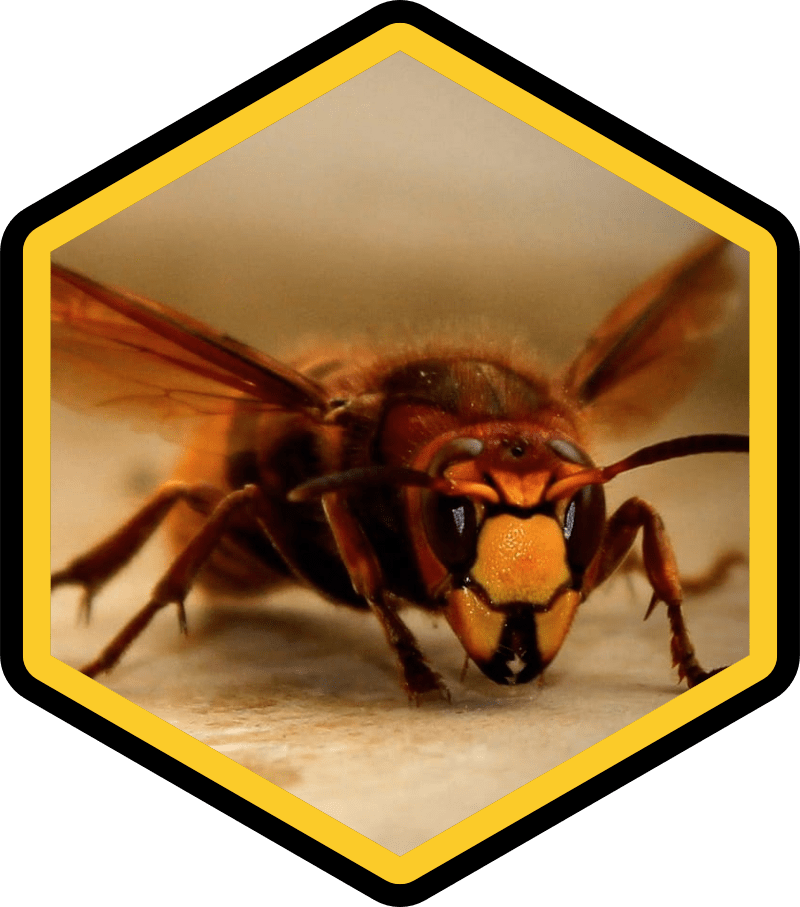
Bumble bees and wasps can often be mistaken for each other. This is due to their similar appearance and behaviour, but there are important differences between them.
Bumble bees are larger, fuzzier, and more docile than wasps. They also have a different diet, nest structure, and life cycle. Understanding the differences between bumble bees and wasps can help you identify them correctly when you encounter them in nature or in your home.


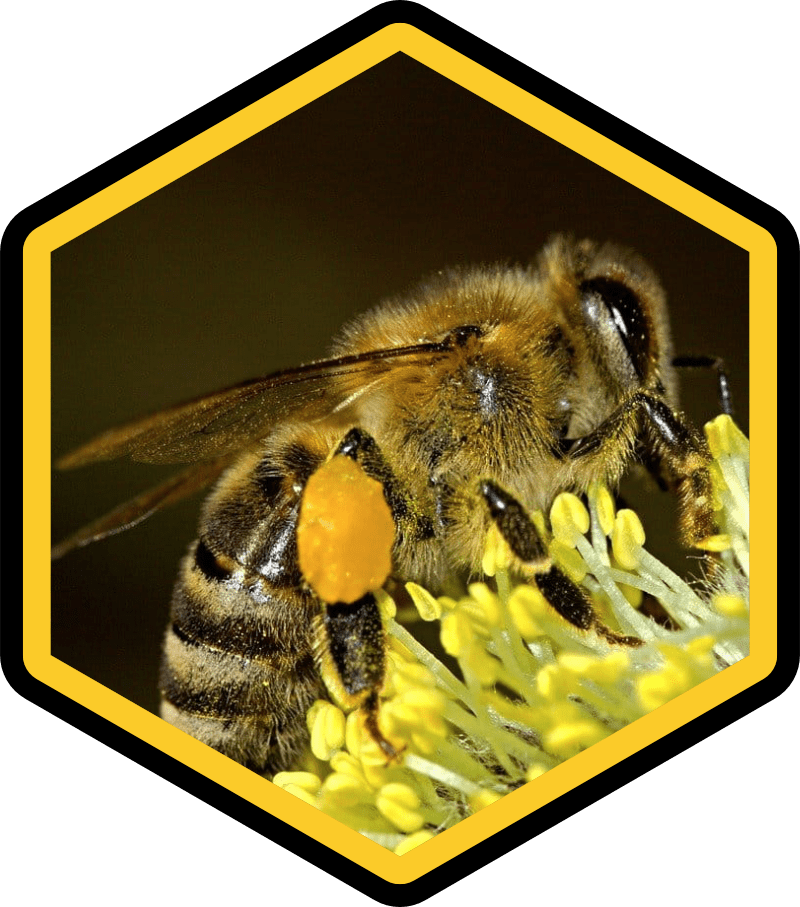
Bumble bees and honey bees are two of the most common types of bees we find in the UK. While they may look similar, bumble bees are much larger than a honey bee.
Bumble bees do not generate honey.

Due to the many benefits of these pollinators we only treat bumble bee’s extremely rare cases if there is a serious threat to human life. However unlike wasps and hornets, bumble bee's are very placid and unlikely to sting unless provoked.
At times we may be able to relocate the bumble bee nest to a safer location if the nest is accessible.
As the bumble bee season is short in comparison and colony numbers are much lower than wasps, it is likely that when you notice high numbers of bumble bee’s this indicates the season may be coming to an end.



Bumble bees do have the ability to sting. However the likelihood with this happening is very rare unless they’re are provoked.
Unlike honey bee’s, bumble bee stings are not barbed which allow them to retain their sting if ever they do sting someone. If you are stung by a bee and the sting remains, chances are, the species was a honey bee.

No, we do not treat honey bee's. If you have a honey bee's nest / hive you may need to contact a local bee keeper who may be able to assist. You may be able to find a local beekeeper by using the British beekeepers association website.
Bumble bees will never reuse their nests. But another colony may decide to build their nest around the same location or property in the future.
Typically there are around 200 bumble bees per colony on average.