Honey Bee's

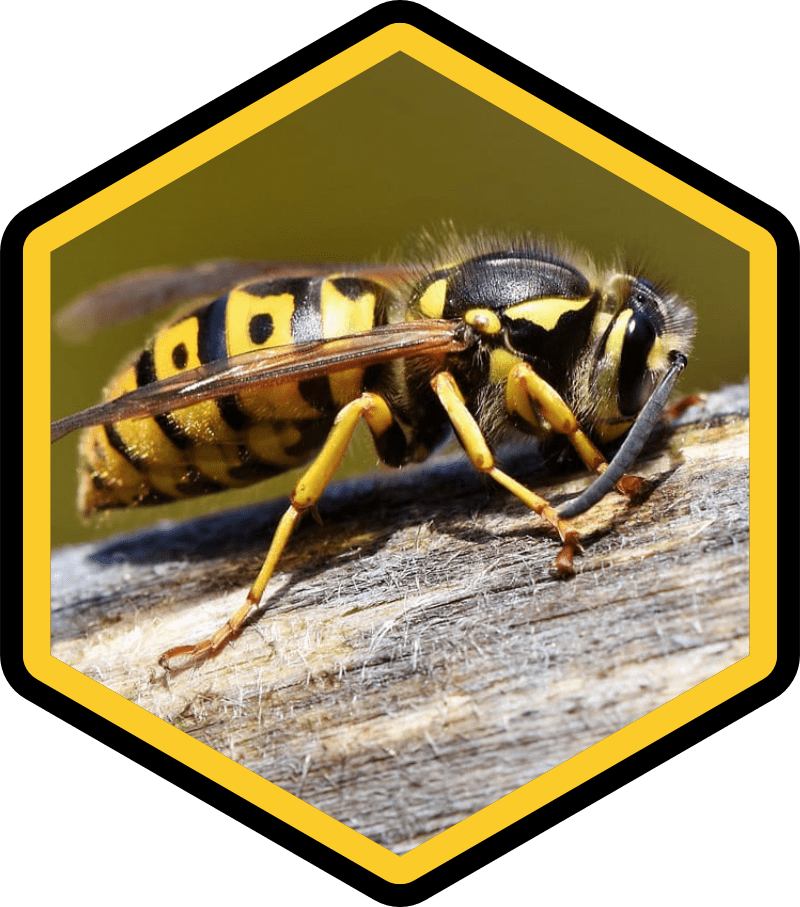
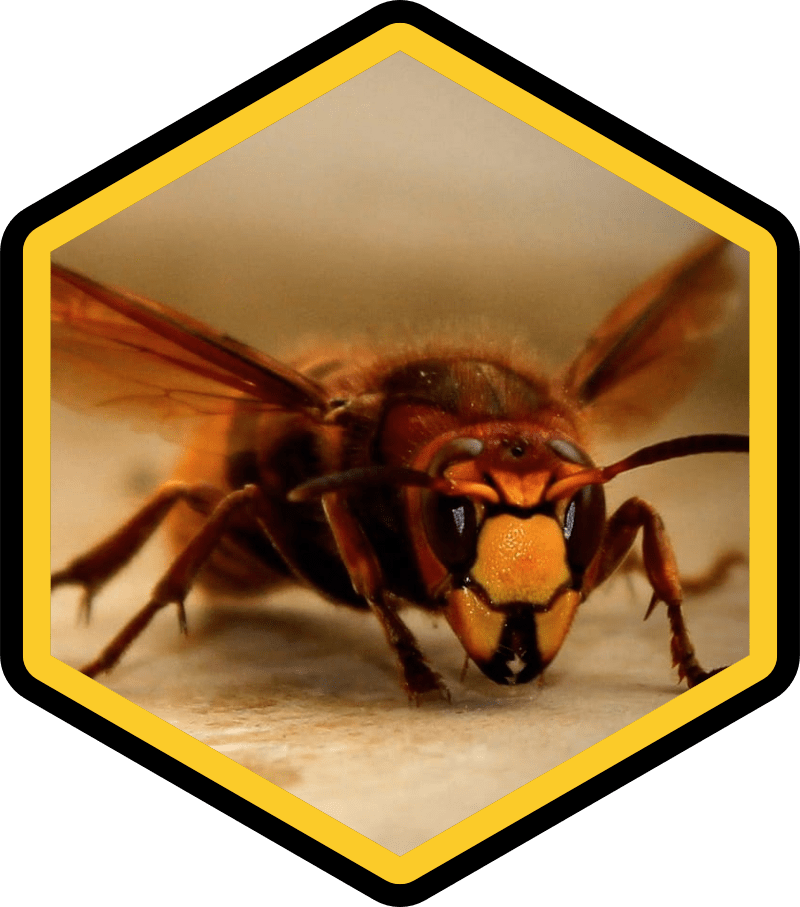
Honey and wasps can often be mistaken for each other, especially at a distance. They also have a different diet, nest structure, and life cycle. Understanding the differences between honey bees and wasps can help you identify them correctly when you encounter them in nature or in your home.
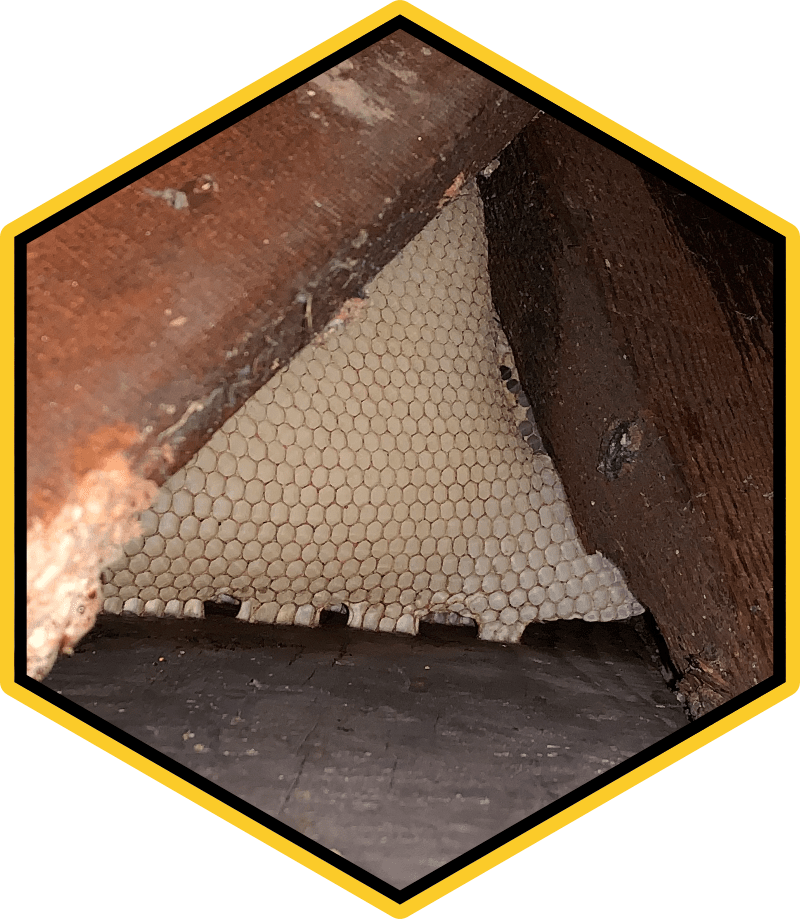
In most cases, honey bee nests contain honey where as wasp nests do not. Honey bee’s are also able to survive the winter period by hibernating where as only queen wasps survive the winter period.
If you are unsure which species you have, please contact us.


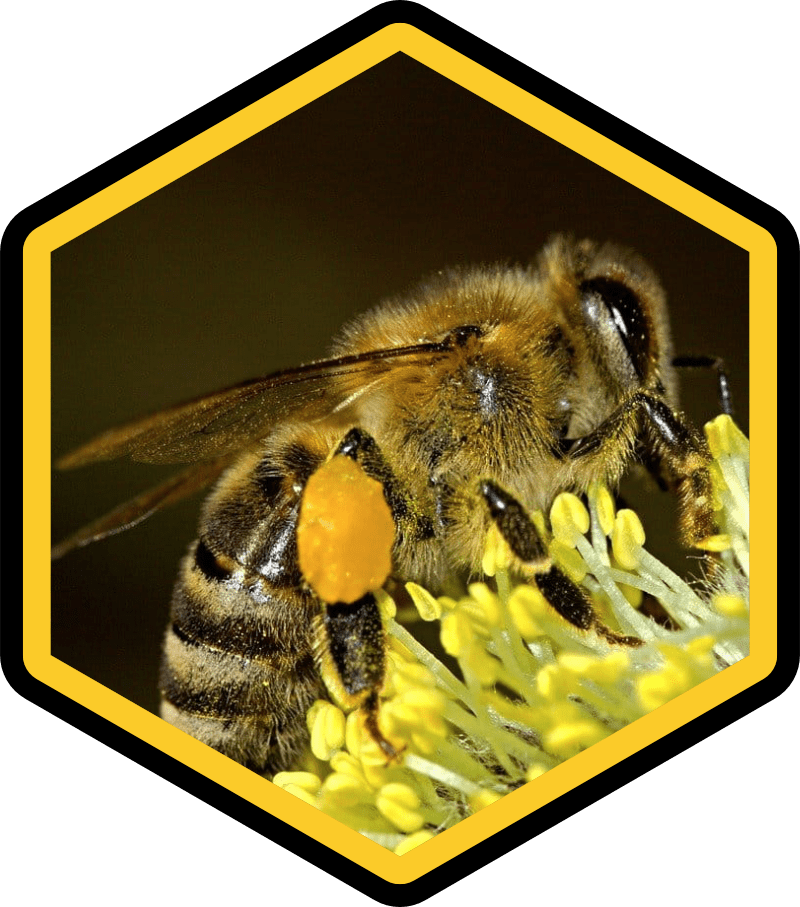
Honey bee's & bumble bee's are two of the most common types of bee's we find in the UK. While they may look similar, honey bee’s are much larger than a bumble bee and often mistaken for a wasp. Honey bee’s are unable to repeatedly sting and will die in the event that they sting someone.

Due to the many benefits of these pollinators we are unable to offer treatment for honey bee’s. However, we work with local bee keepers who may be able to assist you.
Amount of bee’e are clustered together, this is known as a swarm. Bee keepers will collect and remove swarms before they settle on your property or anywhere else.
If honey bee’s have settled on your property, a beekeeper will have the knowledge and expertise to safety remove the colony.


Honey bees do have the ability to sting. However the likelihood with this happening is very rare unless they’re are provoked.
Unlike wasps and bumble bee's, honey bee stings are barbed which prevent them from removing their sting once they sting someone. If you are stung by a bee and the sting remains, chances are, the species was a honey bee.

No, we do not treat honey bee's. If you have a honey bee's nest / hive you may need to contact a local bee keeper who may be able to assist. You may be able to find a local beekeeper by using the British beekeepers association website.
If honey bee’s ever leave their colony, they will not return. However, another colony can smell the existing honey left behind which could encourage another colony to move in.
On average there are around 35,000 - 40,000 honey bees per colony.