Wasp Nest Removal & Treatment
Based In Whiteheath

Here at Wasp Control Services, we offer wasp nest removal and wasp nest treatments in both residential and commercial settings in and around Whiteheath. Our service costs just £70 and we are open 7 days a week.
With over 10 years experience within the Pest Control industry, we offer a fast and friendly solution to your wasp problem and we aim to attend your setting within 24hrs. So if you have a wasp problem, call or message us today.
All of our technicians are qualified in RSPH Level 2 Award In Pest Management.


Our wasp control treatment cost is fixed at £70 which includes a call out fee and guarantee.
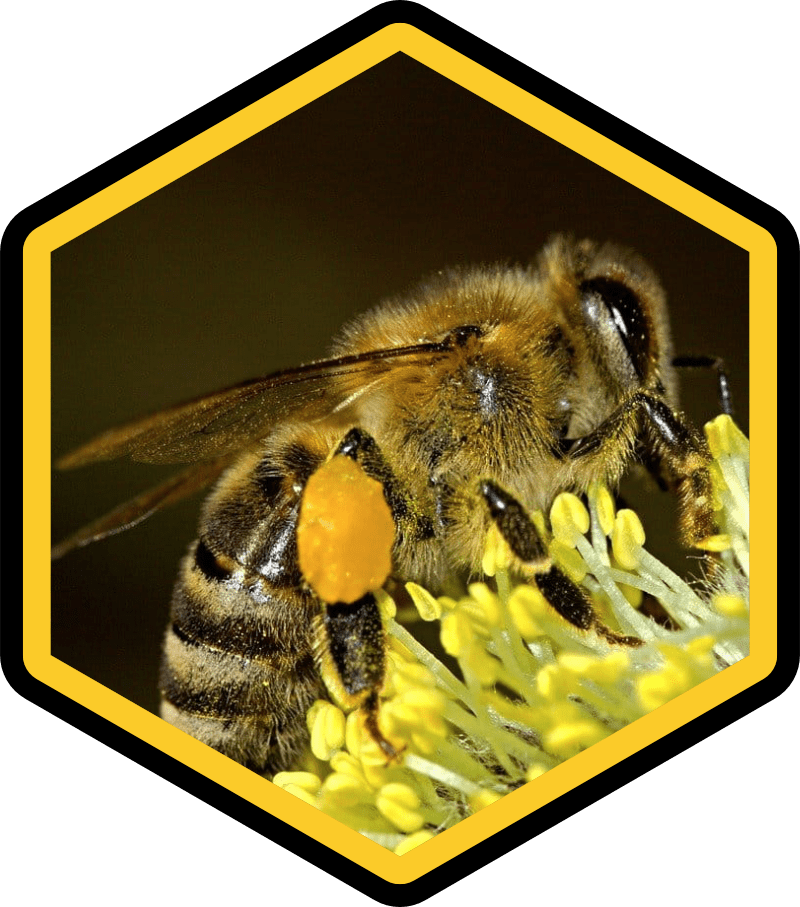
We do not treat honey bee's. If the species is identified as honey bee’s there is only a call fee of £20 required but no treatment will be carried out. We work with local bee keepers who may be able to assist with the removal of honey bee's and we will provide you with our best advice.

Each wasp nest treatment may require a different approach depending on the location of the nest. If it's located in hard-to-reach spots such as roof spaces or wall cavities, we use a lance to inject insecticide into the entry point. During a 24 hour period, wasps enter the nest and unknowingly become coated in insecticide. The insecticide is then taken inside the nest as they return.
If the wasp nest is inside an accessible location such as a garden shed, the nest can be removed with very little insecticide needed. Which ever method is required, we use suitable protective gear at all times.
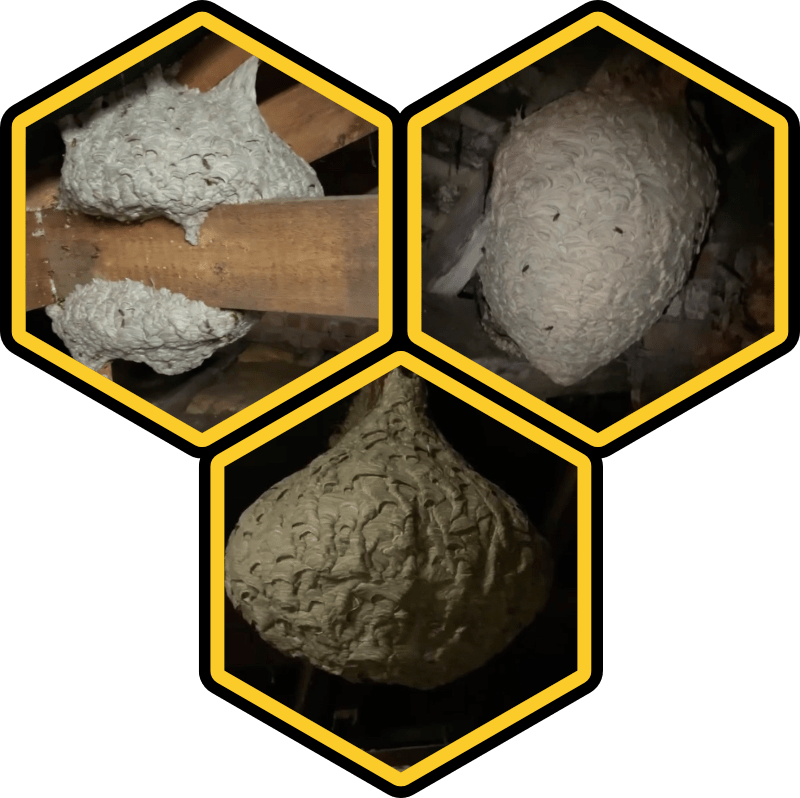


Wasps build nests by using a combination of wood pulp and saliva. Wasps will chew segments of wood from trees, fence panels & sheds. Once they return to the nest they will regurgitate the substance onto the nest. Using this method gives the nest a texture similar to paper with a light brown, almost yellow colour.
If you were to look at a wasp nest up close, you can see what looks like lines where each wasp has carried out this process. The longer the nest stays active, the more wasps will develop the size of the nest.
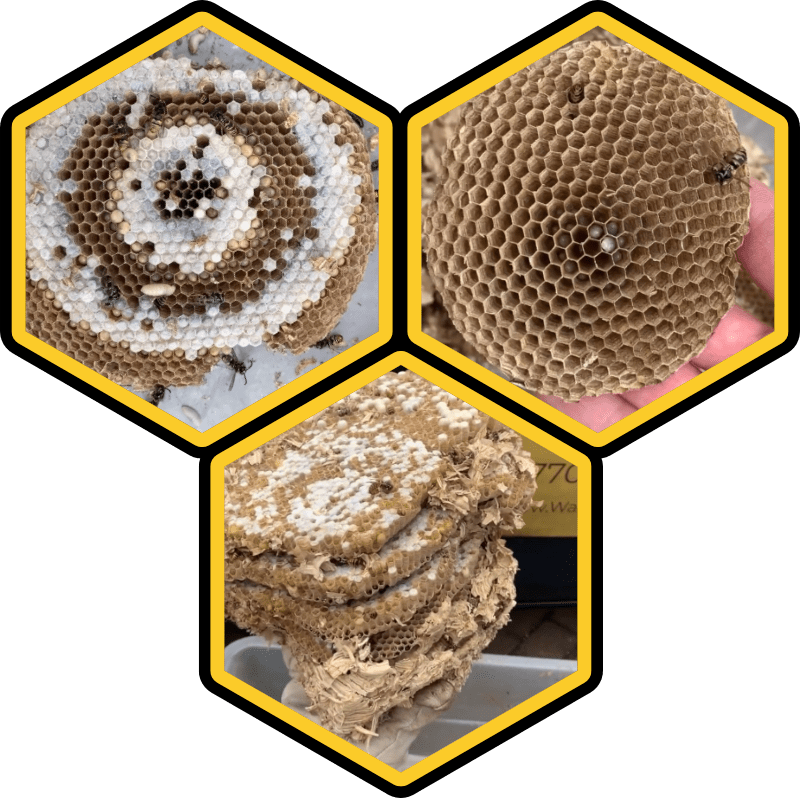
Inside the nest is very different. The nest contains what is called chambers which are also built by wasps using their jaws. These chambers are hexagonal in shape and are used for the queen to lay an egg inside.
Depending on what stage you find the nest, there could be several layers of these chambers which are a lot stronger that the outer layer of the nest. The queen uses pheromones in order to keep the colony united.

There are a small number of us who suffer badly from being stung by a wasp. Most people experience localised swelling at the site of a sting, but those with an allergy may suffer a more severe reaction called anaphylaxis. If you have never been stung before, there is no way to know for sure how you will react.
When work is being done on your property, there may be times when progress is halted if a tradesperson discovers a wasp nest. Due to the nature of their work, they will likely antagonise the wasps. Roofers tend to encounter nests most frequently.
If you find a wasp nest at your property, it is always best to call a professional. Contact us and one of our experts will ensure that the wasp removal and treatment is done quickly and safely for all involved.
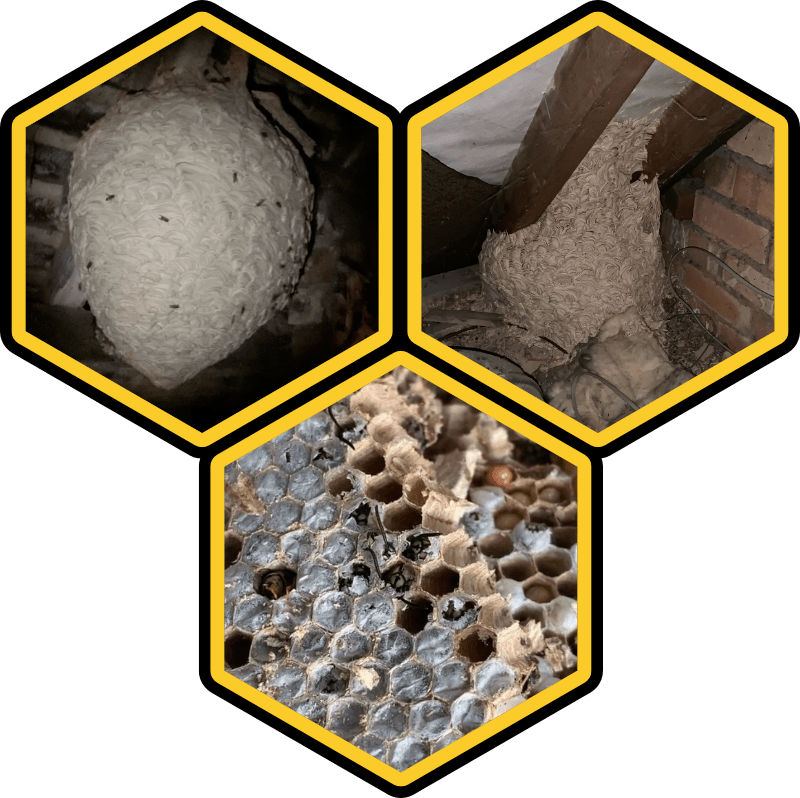
Are you curious about what wasp nests look like? Follow us on social media and get to see the videos of the wasp nests we treat and remove.




No, we do not treat honey bee's. If you have a honey bee's nest / hive you may need to contact a local bee keeper who may be able to assist. You may be able to find a local beekeeper by using the British beekeepers association website.
Treatment times can vary depending on the wasp nest location. Typically the treatment will be completed within 30 minutes.
Yes, our treatments are guaranteed. Our engineers will advise you to contact us after 3 days if the nest is still active. We will retreat the nest for you free-of-charge.
Wasps will never use a pre-exisitng nest. However you may have another nest the following year in the same location such as roof eaves or under tiles.
In most cases the wasp nest will be in a cavity and therefore inaccessible. We are still able to treat the nest by targeting the entry point. Wasp nests do not need to be removed as wasps will never reuse nests.